Barefoot Shoes for Weightlifting & Strength Training
Think about the last time you went to the gym.
You probably planned your outfit. But when was the last time you thought about your shoes?
Unless you're a competitive lifter, chances are you just grabbed whatever sneakers you had — the same pair you run in, walk the dog, even run errands.
And if that’s the case? You might be leaving strength gains on the floor.
Why Do Some Weightlifters Workout Barefoot?
When you deadlift, swing a kettlebell, or press a barbell overhead, what’s the first thing you feel your body do? Your feet push down into the ground.
That downward force is your foundation. And if your foundation is unstable, your lift is compromised.
To create real stability, your feet need three things:
-
A wide base (toes able to spread naturally)
-
Ground feedback (so your brain knows what your feet are doing)
-
Active muscular control (which begins with that sensory feedback)
Think about walking on stilts. Or walking with two pillows strapped to your feet. It’s awkward, right? The higher and softer the platform, the less stable you feel.
That’s what happens with thick, cushioned shoes. Foam compresses and traditional shoes that have added cushion in the heels (added heel drop) shift your weight forward. Narrow toe boxes squeeze your base. And the padding absorbs force you’re trying to send into the ground.
If strength begins with the feet — and many lifters swear it does — then unstable footwear could hamper your potential.
The Benefits of Working Out BarefootTraining barefoot gives you:
But most gyms won’t let you lift barefoot. Going fully barefoot isn’t always practical (or sanitary). That’s where barefoot training shoes come in. |
 |
Barefoot Shoes for Weightlifting
If you want the benefits of barefoot training with protection, a barefoot, zero-drop shoe is your best bet.
Zero drop means your heel and forefoot sit level with each other. No artificial forward tilt. No raised heel throwing off your posture.
Here’s why that matters:
-
You stay closer to the ground.
-
Your weight stays balanced.
-
Your mechanics stay natural.
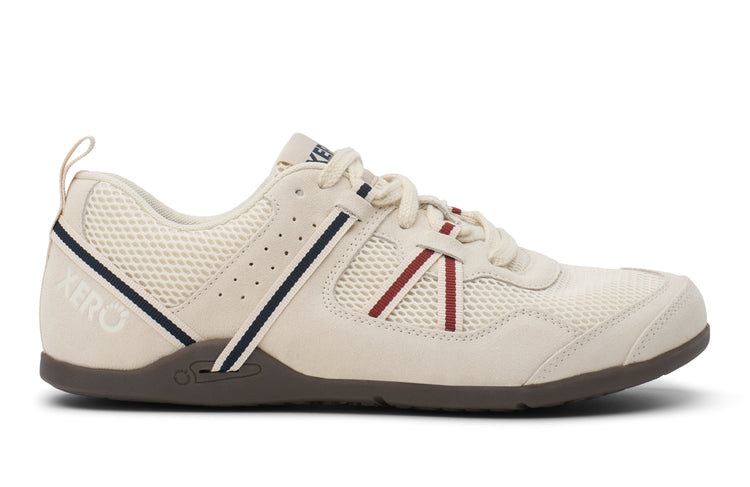
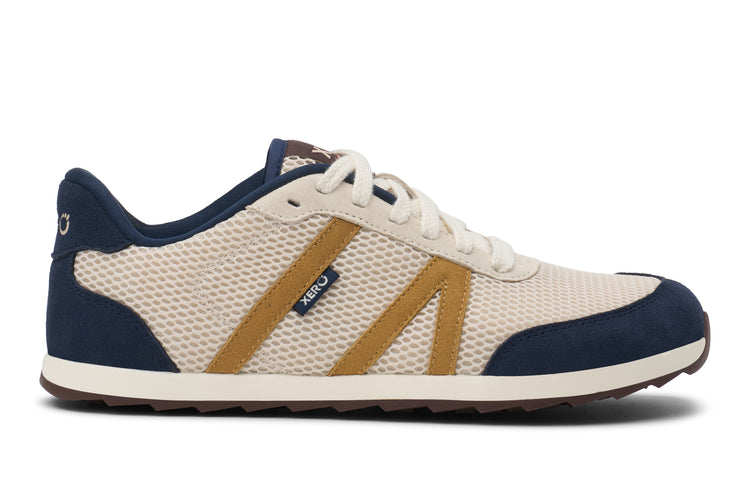
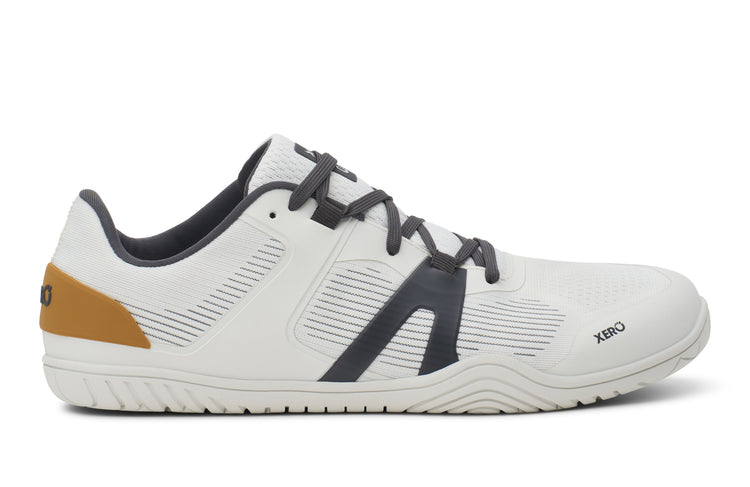
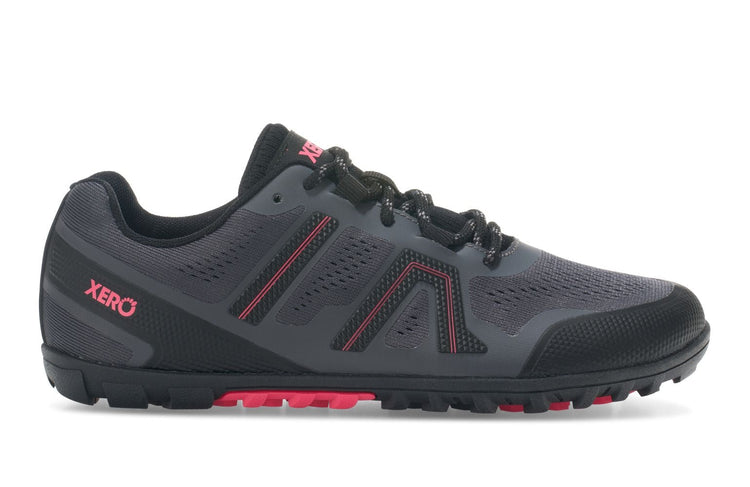
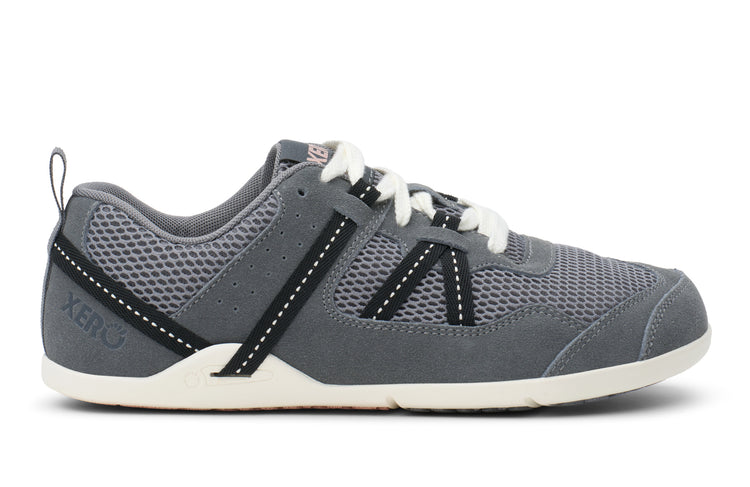
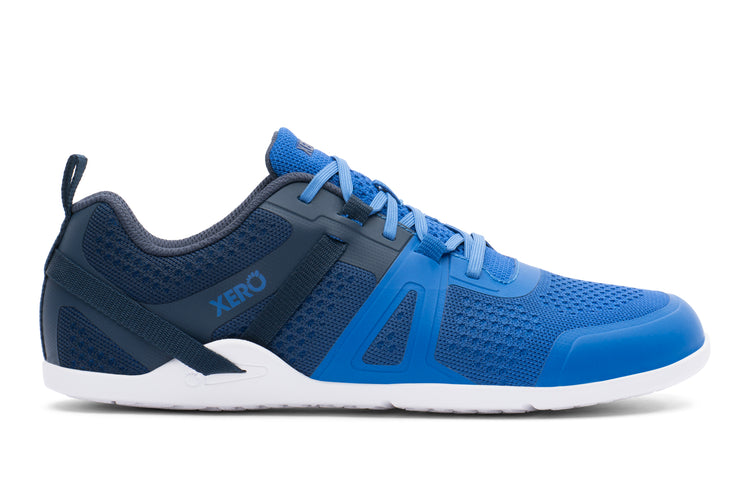
Xero Shoes are designed with:
-
A thin, flexible sole for real ground feel
-
A wide toe box so your toes can spread for stability
-
Lightweight construction so your shoes don’t become ankle weights
Research even shows that simply walking in minimalist footwear strengthens foot muscles as effectively as dedicated foot exercise programs. Imagine what lifting in them can do.
Strong feet = stronger foundation.
Stronger foundation = stronger lifts.
Tips For Transitioning To Barefoot Exercise
If you’ve been wearing thick, cushioned shoes for years, your feet have likely been underworked. Don’t rush the transition.
Start Slow
If you’ve never worn minimalist shoes before, you’ll want to introduce them the way you would any new exercise or gear—slowly.
Build Foot Strength
You need to wake up your foot muscles, so start with easy foot balances and strength exercises. A 2019 study by Dr. Sarah Ridge found that walking in minimalist shoes strengthens the muscles in your feet as much as following a foot strengthening exercise program.
Increase Gradually
As your feet and muscles get stronger, slowly increase the duration and intensity of your workouts. Add just one new exercise or movement at a time to avoid overexertion.
Listen to Your Body
Some muscle soreness is normal. Rest when needed. Don't push yourself too hard too quickly or ignore any discomfort.
The content of this post does not constitute and is not intended to be a substitute for professional medical advice, diagnosis or treatment. Always seek the advice of a physician or other qualified health provider with any questions or concerns you may have about your health or a medical condition.